
Linn County Resident Record Routes
No single official roll tells you everything about one Linn County person. Each source proves only what its custodian records. The voter form tests details the searcher supplies. A court index links a party name to a case number and nothing more. Vital records document an event while restricting current certified copies, and state business, license, and custody databases confirm a legal role or record rather than a home address.
| Record | What It Confirms | Where | Access |
|---|---|---|---|
| Voter lookup | Name and ZIP match, registration and polling details | Iowa Secretary of State | Free web form |
| Court docket | Party name, case number, type, status, events | Iowa Courts | Public index, clerk terminal for more |
| Vital record | Eligible birth, death, or marriage event | Linn Recorder or Iowa HHS | Entitlement and fee rules |
| Business or license | Entity, agent, officer, credential, status | Iowa state searches | Free public search |
| State custody record | Public correctional status and record details | Iowa DOC or registry | Free public search |
Match the record route to the fact at issue. Hunting a lost classmate might start with yearbooks and local newspapers. An heir search leans on probate files and vital records instead, and the broadest result is rarely the best match.
Look Up Linn County Court Parties
Iowa's Iowa Courts Electronic Docket Record Search is the official route into district-court dockets. Start with a party name. Narrow by county, case type, date, or case number when those details are known. Results can show the case number, county, case title, type, status, parties, public charges or claims, and a register of actions. Similar names demand care. Compare middle names, dates, county, party role, and case details before linking a docket to a Linn County resident.
The online index is not the whole file. The Linn County Clerk of Court keeps public terminal access and older paper records at 50 3rd Avenue Bridge in Cedar Rapids, phone 319-398-3411. Phone ahead for older files. Confidential, juvenile, sealed, and protected filings stay hidden. Federal cases belong to PACER. Northern District of Iowa courthouse terminals work too.
Note: A case-party name proves involvement in a court matter, not guilt, present residence, or a complete personal history.
Verify a Linn County Resident
Build any match from independent facts. A name and ZIP in the voter tool anchors the right jurisdiction, while a docket, historical notice, or business filing can supply a second date or role. Property records help only when ownership matters. Use the right office for the parcel. Linn County's assessor excludes Cedar Rapids, so the city assessor handles parcels inside Cedar Rapids, and neither assessor offers a direct owner-name search online.
- Write the exact name plus known variants, middle initials, former names, city, ZIP, and an approximate time period.
- Use the official source tied to the fact. Test first name, last name, and ZIP in the voter lookup, or search the court party index.
- Compare at least two non-sensitive details, such as county, date range, middle initial, entity role, or case context.
- Open the underlying public record or contact its custodian. Request a certified copy only when the law allows and formal proof is needed.
- Docket
- The court's running list of case filings, orders, hearings, and other events.
- Index versus image
- An index points to a record with summary fields. An image is the actual scanned or electronic filing and may have separate access rules.
- Certified copy
- An official copy authenticated by the office that holds the record. Eligibility, identification, and fees may apply.
Linn County Vital Record Checks
The Linn County Recorder issues eligible local birth, death, and marriage certificates from its holdings. Iowa HHS Vital Records serves as state registrar for state-held or excluded categories. Certified copies are entitlement-based. Iowa Code section 144.43 controls confidentiality. State rules and archival opening ages differ by event type.
HHS lists a $20 certified-copy fee. A mailed request needs the proper application, notarization, and an identification copy. State routes include mail, in-person service, and the approved online vendor. County counter, mail, drop box, and phone guidance still helps when a web form will not answer the custody question. The county staff can clarify custody.
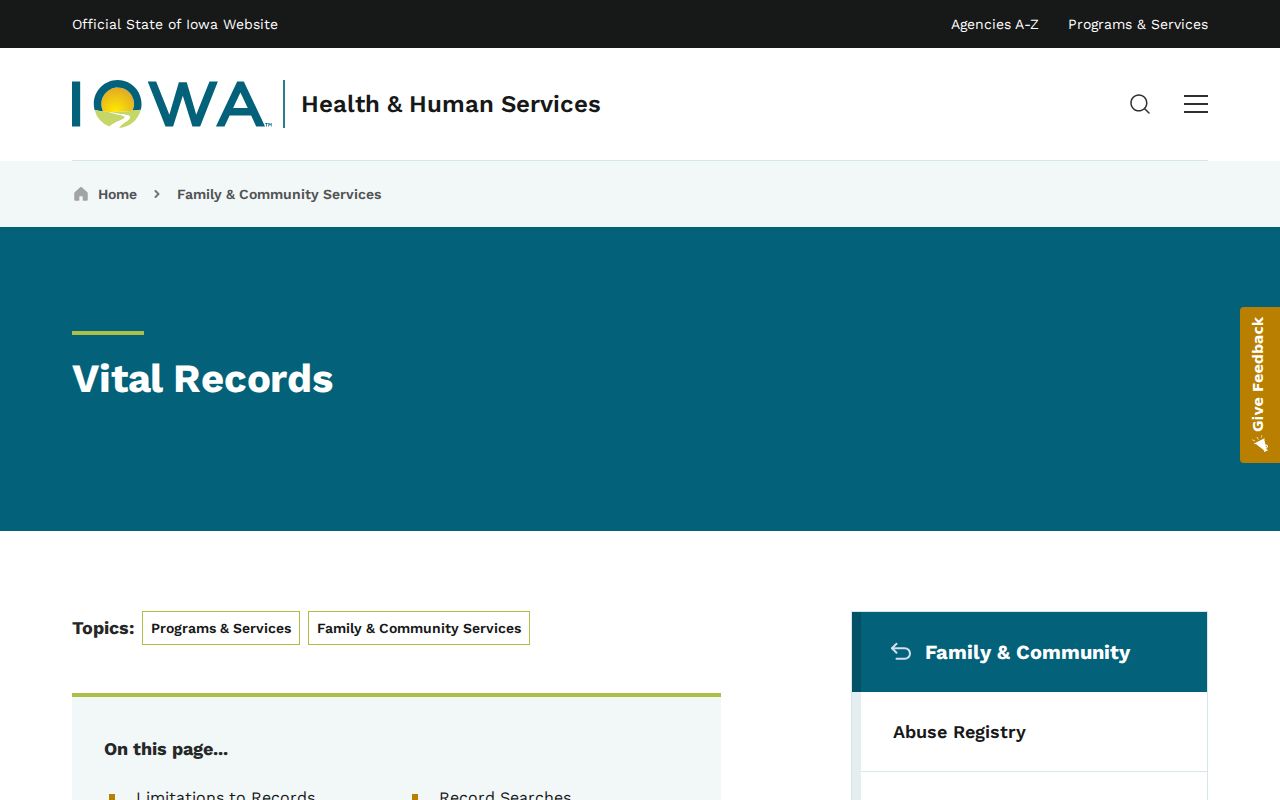
A vital record is controlled proof. It is not a current-address directory. For family history, lean on historical indexes, the State Historical Society, FamilySearch, and newspaper archives before requesting anything certified.
Confirm Linn County Public Roles
The Iowa Secretary of State Business Entities Search can tie a person to an agent role, officer post, filing, or business address when that role appears in the public record. Search by business name or entity number. Then inspect the filing details. A listed address may be a registered office, agent address, or mailing location. It does not prove where the person lives.
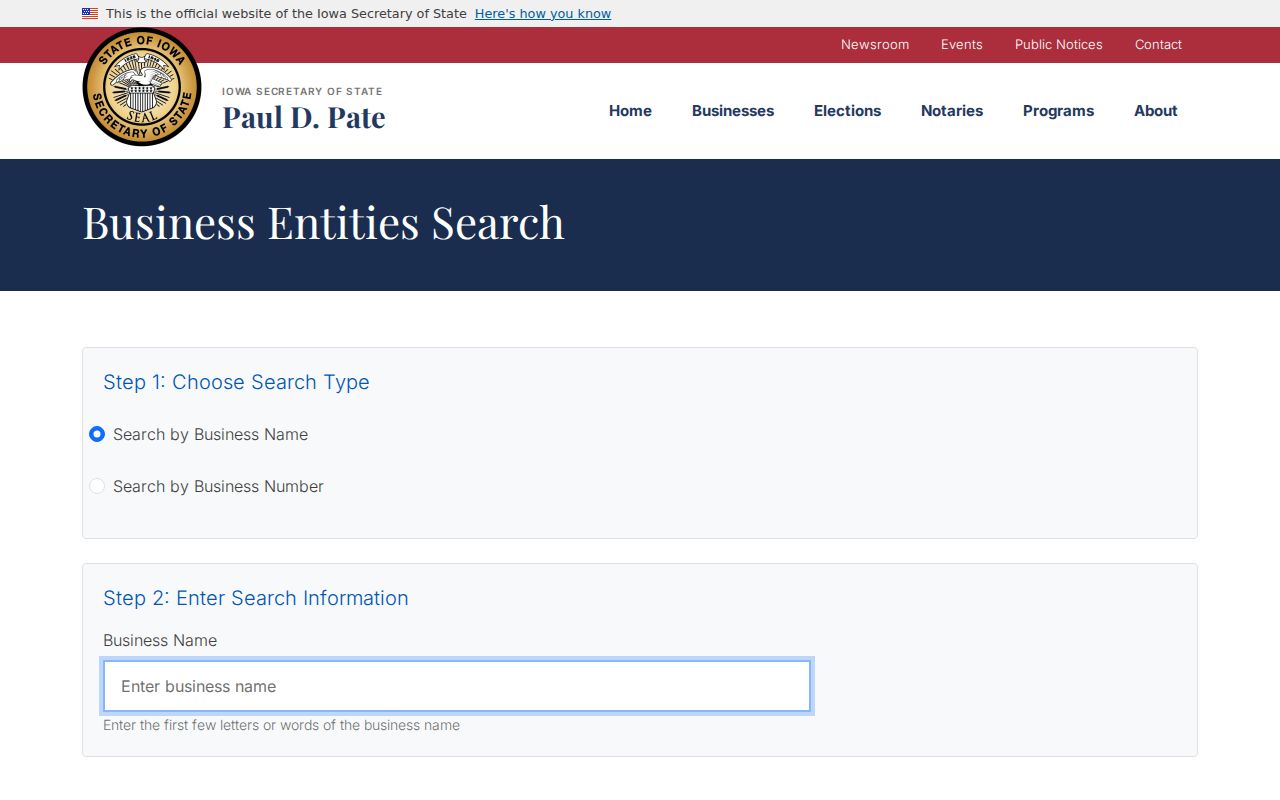
A business filing is a useful second source when someone is known through a Linn County firm. The Iowa professional license search takes a different angle. It filters by board, name, city, state, ZIP, status, and license number. When credential status matters, verify with the issuing board.
Read Linn County Safety Records
Official safety databases serve narrow purposes and update on their own schedules. The Iowa Department of Corrections Offender Search is a public state search updated weekly. Match more than a name. Read its disclaimer. Note the update date too. Linn County's jail page publishes no official live roster, so for a specific local report or inmate identifier, use the Linn County Sheriff open-records request route rather than guessing from a state result.
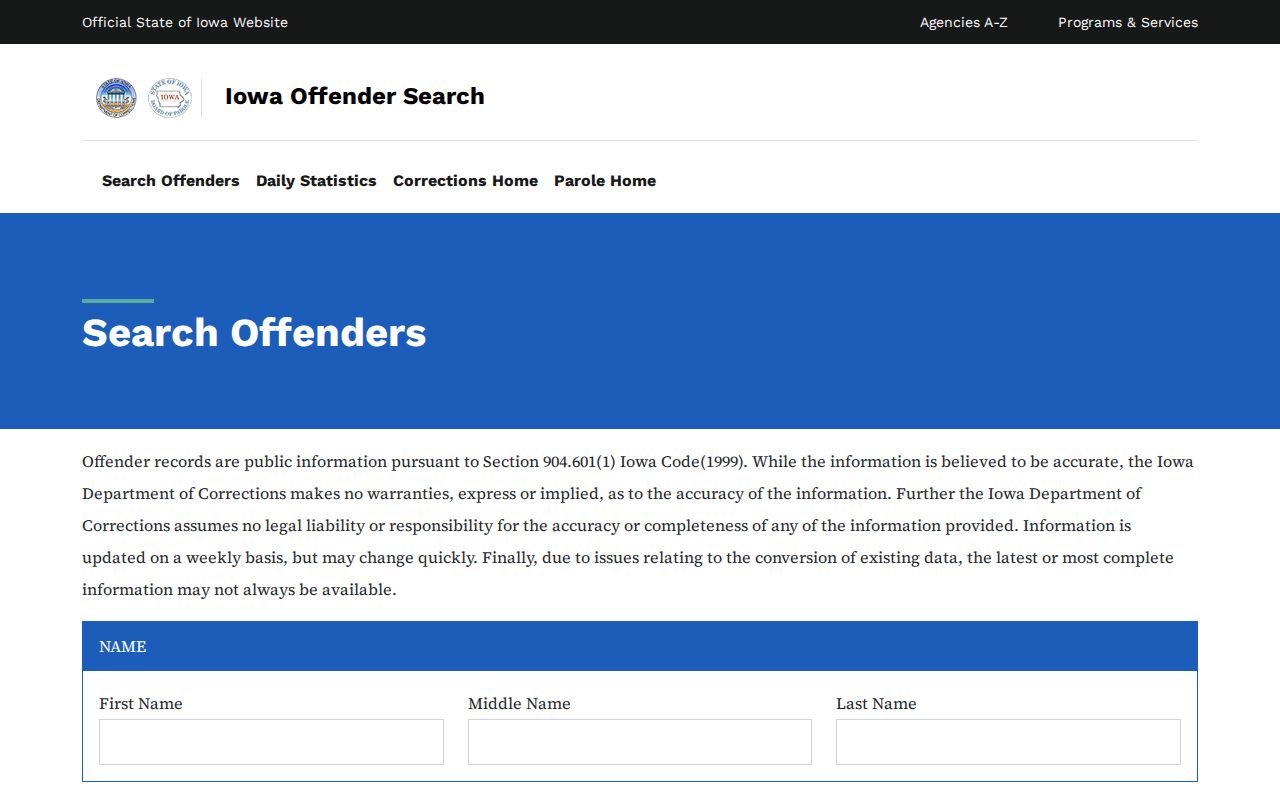
A custody record reflects a stated time. It cannot establish anyone's current home. The Iowa Sex Offender Registry offers basic, advanced, geographic, phone, email, and notification tools. Iowa DPS redesigned the site in 2025, so use the current interface and its notices.
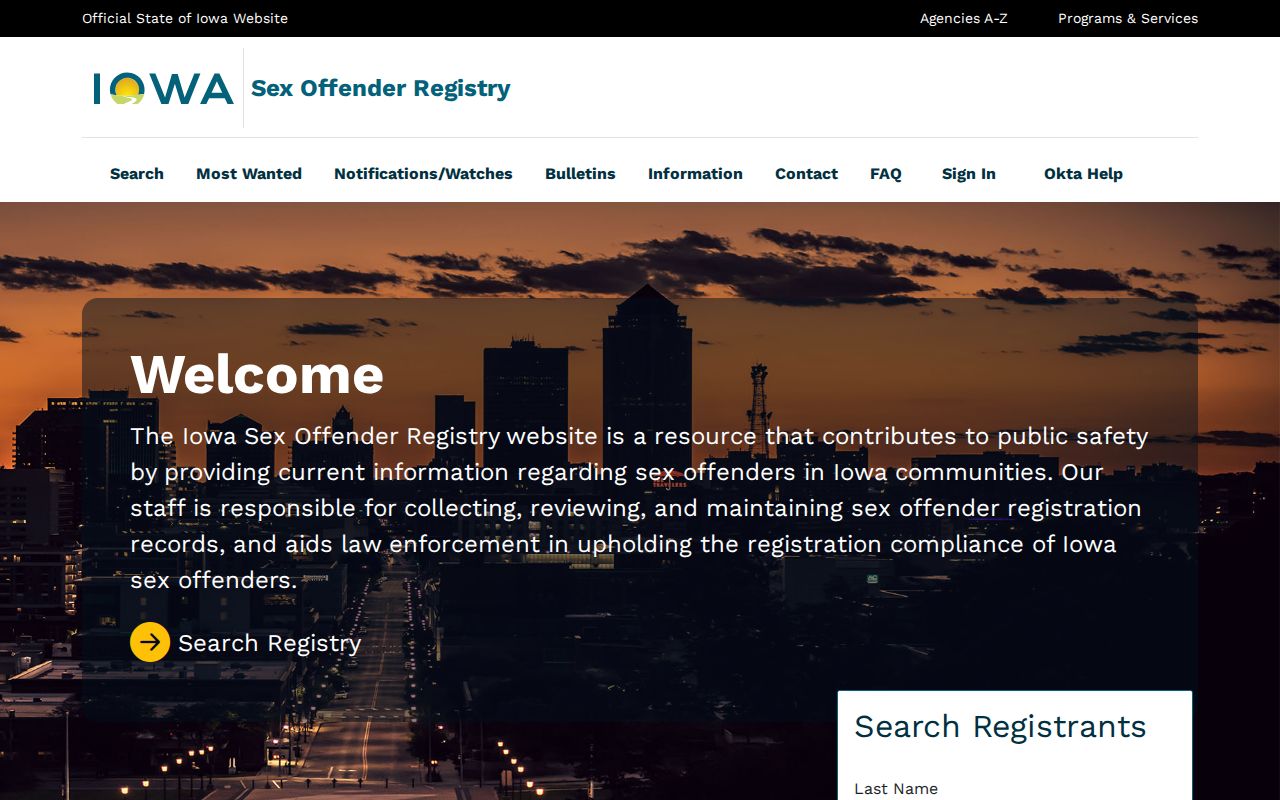
The registry backs a narrow safety check. It is not a general list of Linn County neighbors, so follow every statutory limit and never use an address to confront or harass a person.
Linn County Record Check Limits
Iowa runs its formal criminal-history checks through the Iowa Division of Criminal Investigation. The DCI charges $15 for a name-based search. The state requires enough identifying detail to cut down false matches. Requests go through the channels DCI publishes. What comes back depends on release authorization. A name-based answer also differs from a fingerprint match. It will not capture every court event, federal matter, or out-of-state incident.
The DCI information page separates this formal state check from a free court docket search, and the distinction matters. Any result you rely on should stay tied to the identifiers used, the request date, and the scope of what was released.
Reconnect Through Linn County Records
Every personal search has its own official path. Probate files and obituaries can point toward an heir. The Cedar Rapids History Archive and History Center hold school annuals that may surface a former classmate, though a historical lead still needs a present, consensual way to make contact. Iowa Code section 144.43A sets up a voluntary adoption registry for adult adoptees, adult siblings, and biological parents. Identity comes out only through the statutory mutual-consent process. Older Linn County newspapers can tie a residents directory name to a marriage, death notice, school item, or civic event, and the Linn County city directory collections carry that year-by-year method further.
Do not publish a private date of birth or a full address simply because an old index shows it.
Note: Let a reunion search move from public evidence to respectful, opt-in contact, and stop the moment someone asks not to be contacted.
Request Missing Linn County Records
No official portal answers every narrow question. Iowa Code chapter 22 lets you send a public-records request to the office holding the record. Name the person. Include the record series, the approximate date, and the specific public fields or document you want. Ask for an electronic copy when practical. Request a fee estimate before any broad work starts. The custodian may redact protected information or explain why a record is confidential.
Route court files to the Clerk of Court. Send vital and recorded records to the Recorder or HHS. Lawful voter-list requests go to Auditor/Elections. Local reports belong with the Sheriff. A county voter list needs a signed lawful-use certification and payment. It can take up to 14 days. That product is not the free first-name, last-name, and ZIP web check.
Protect Linn County Resident Privacy
Iowa systems hold some information back on purpose. Safe at Home gives eligible survivors a substitute address, mail forwarding, and confidential voter-registration and absentee-voting services. Courts seal or restrict protected cases and filings. Current vital certificates require entitlement. Driver data sits under its own privacy law, and public voter tools show only a limited verification result.
So a missing address can reflect a safety program, a confidentiality rule, a delayed update, or a database's limits. It is never permission to work around a protection. When a public record is wrong, report it to the custodian who created it and include the record number or page so staff can review the source.
Lawful use. A Linn County resident lookup is for lawful personal research. Never use a name, phone number, or address to stalk, harass, intimidate, or harm anyone.